Featured Post

Friday, November 8, 2019

Eggstra Credit Opportunity! Laws of Life

Write a 500-700 word personal narrative (story) about a law of life that has meaning to you. See the picture below for details. Additional information can also be found on the Laws of Life website.

Turn in a printed copy (or email to Ms. Egbert by Thursday, November 21).


Thursday, November 7, 2019

Tips for Eggcellent Writing: Intro Paragraphs

Follow your Planning Packet to make sure your Introduction paragraph includes the following:


Sentence 1: A Hook - This is something that will catch your reader's attention
  • This is something that will "hook" your reader in and make them want to read your paper. It should NOT mention your book/characters in your book or be your thesis statement, although it may generally reference them. If you are stuck, consider the following ideas:
    • Ask a question. Draw in your reader by asking a rhetorical question. Make sure you do NOT address the reader with "you" or use first person.
      • Example: Is it possible for a boy to survive alone on the ocean?
    • Describe a scene vividly. Have a favorite part of the book? Describe the scene briefly but with details, without character names or giving too much away.
      • Example: Gome, gome, gome - the echoes of the gong vibrated through the village, calling everyone near and far.

Sentence 2: Opening Statement - Introduce novel information (full title of novel, capitalized and in italics) and give a one sentence summary of the novel, introducing the main character/event that you will be writing about in your essay.

Sentences 3-4: Mention Major Points - Provide a little more background about the main events of the book you read. What major events happen in your book that are most relevant to the topic you are writing about? *This should not be shorter than 2 sentences but should not be longer than 3 sentences.*

Sentence 5: Thesis Statement (claim) - What is your paper about? What are the main points that you will be discussing in your body paragraphs? Make sure this sentence is clear and sets up your argument for the rest of your paper (and for your reader).

The following is a bare-bones example for Fahrenheit 451:


Fire spreads throughout the pile of books - pages crackle and become unreadable. In Ray Bradbury's novel Fahrenheit 451, the main character Guy Montag is a fireman who has been trained to view books as evil. He spends his life committed to destroying them until he meet a girl named Clarisse, who changes how he sees the world. As Montag changes he realizes the power of knowledge and how his society has put limits around what people can learn. The dystopian society that Montag lives in turns away from the knowledge inside books and their reliance on technology makes them believe that they are living in a perfect world.

Monday, November 4, 2019

November 4-8: 10th Grade World Lit.

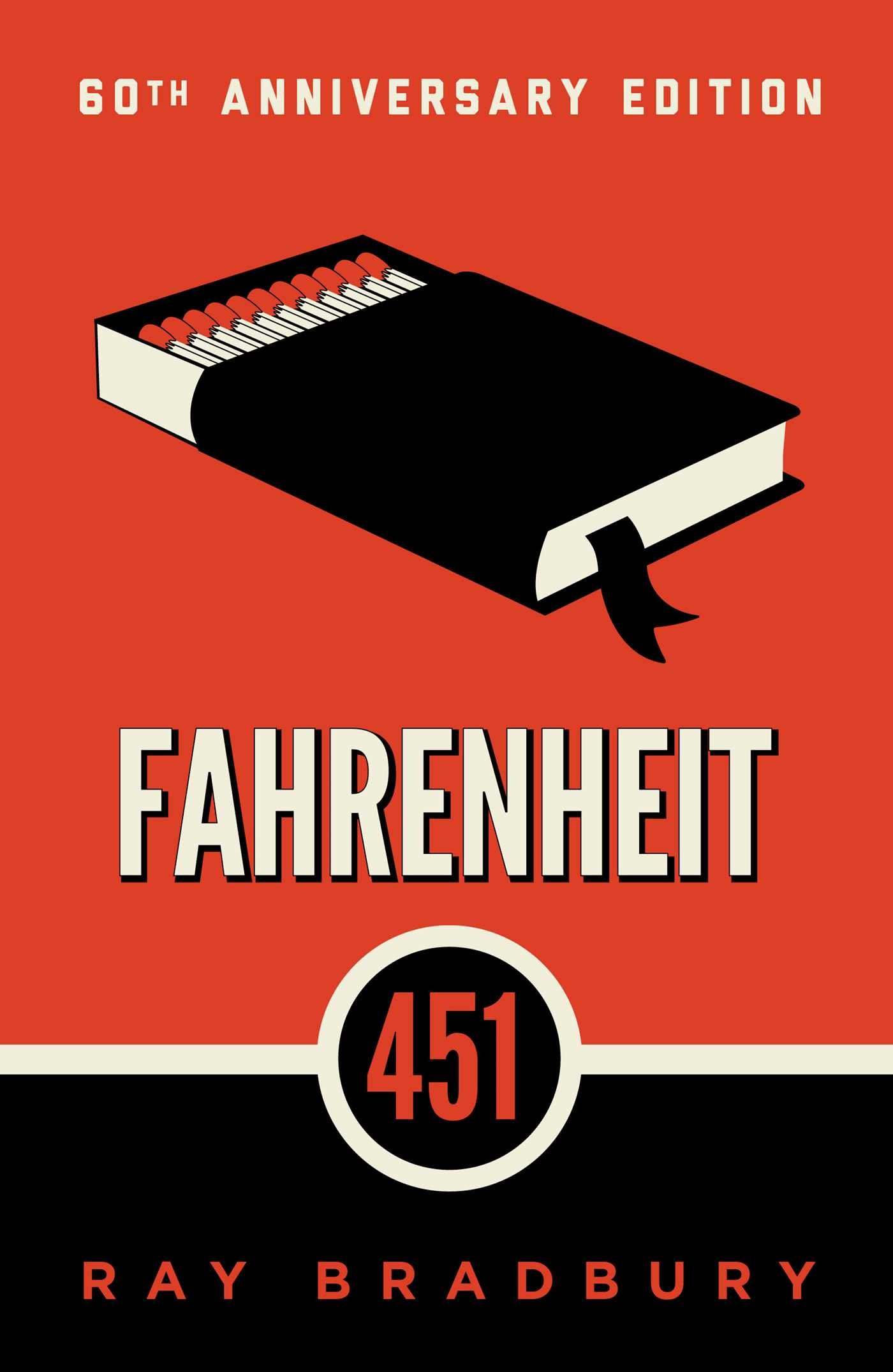
This Week: This week we will begin wrapping up our unit on Fahrenheit 451 by Ray Bradbury. Make sure you have a copy of the book in class with you everyday.

PDF on Project Gutenburg

Reading Schedule - Keep up with the reading and reflections. Expect a reading quiz at any time.

Reading Guide - Answer Questions as you read (due Nov. 4)


Image result for fahrenheit 451
    Monday, November 4:
    • F451 Reading Guide DUE at BEGINNING OF CLASS
    • Creative Component for Utopia Project due at beginning of class
    • Fahrenheit 451 Test
    Tuesday, November 5:
    • Election Day - NO SCHOOL!!
    Wednesday, November 6:
    • Utopia Project Gallery Walk
    Thursday, November 7:
    Friday, November 8:
    • Fahrenheit 451 Term Paper
      • Body paragraphs and lead-ins
    Next Week:
    Next week, we will have continue working on our term paper for Fahrenheit 451 (due Thursday, November 14)

    Important Dates:
    • Monday, November 4: Fahrenheit 451 Test (Reading Guide DUE AT BEGINNING OF CLASS)
    • Wednesday, November 13: Unit 6 Vocab Homework DUE AT BEGINNING OF CLASS
    • Thursday, November 14: Fahrenheit 451 Term Paper DUE BY END OF CLASS
    • Friday, November 15: Unit 6 Vocab Quiz

    November 4-8: 9th Grade Lit and Comp

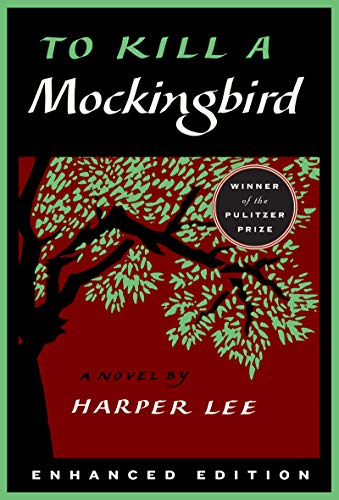
    This Week: This week, we will continue reading To Kill a Mockingbird by Harper Lee, so make sure you have a copy of the book in class with you everyday. The Unit 6 Vocab Quiz will be this Friday.

    Reading Schedule - Keep up with the reading, even if you are absent. Expect a reading quiz at any time. I will let you know if there are any changes.

    Reading Guides - Answer the questions as you read:
    Part 1 and Storyboard
    Part 2: Before the Trial
    Tom Robinson's Trial
    Part 2: After the Trial

    Characterization Chart - Keep up with characters as you read!


    Image result for to kill a mockingbird
      Monday, November 4:
      • Finish Tom Robinson's Trial
      • After the Trial Reading Guide
      • Continue reading To Kill a Mockingbird
        • Chapter 22
      • Homework: Read Chapter 23 - there will be a reading quiz on Wednesday!
      Tuesday, November 5:
      • Election Day - NO SCHOOL!!
      • READ CHAPTER 23
      Wednesday, November 6:
      • Reading Quiz 3 over Ch 12-23
      • Continue reading To Kill a Mockingbird
        • Chapter 24
      Thursday, November 7:
      • Unit 6 Vocab Homework DUE at beginning of class
      • Continue reading To Kill a Mockingbird
        • Chapter 25 + 26
      Friday, November 8:
      • Unit 6 Vocab Quiz
      • Homework: Read Chapter 27 + 28 - there will be a reading quiz on Monday!
        Next Week:
        Next week, we will begin wrapping up our unit on To Kill a Mockingbird by Harper Lee by finishing the novel and with a test on Thursday.

        Important Dates:
        • Wednesday, November 6: TKaM Reading Quiz (Ch 12-23)
        • Thursday, November 7: Unit 6 Vocab Homework Due
        • Friday, November 8: Unit 6 Vocab Quiz
        • Monday, November 11: TKaM Reading Quiz (Ch 24-28)
        • Thursday, November 14: To Kill a Mockingbird Test

        Tuesday, October 29, 2019

        Utopia Research Project

        Project Instructions and Rubric


        How to Cite Websites in MLA:

        • Citations need to be in alphabetical order
        • Always include as much information as possible
        • Make sure you have a hanging indent
        • Owl Purdue - how to cite websites

        C.R.A.P. Test Slide - Copy this slide and insert it at the end of your Overview PowerPoint. You must have a C.R.A.P. Test slide for EVERY resource you use.


        Resources for your Creative Component:

        Group Sign-Ups:


        Brief Description of Utopias:

        Brook Farm (1841-1847)
        Founded by former Unitarian minister George Ripley and his wife Sophia Ripley at the Ellis Farm in West Roxbury, Massachusetts and was inspired in part by the ideals of Transcendentalism, a religious and cultural philosophy based in New England. It promised its participants a portion of the profits from the farm in exchange for performing an equal share of the work. Brook Farmers believed that by sharing the workload, ample time would be available for leisure activities and intellectual pursuits.

        Arden, Delaware (1900-present)
        Sculptor Frank Stephens and architect Will Price founded Arden as a place of intellectual and artistic freedom. This is a utopia that’s “still going”. Arden is a village and art colony and based on voluntary contributions of workers. The founding ideals followed the communist philosophies of Peter Kropotkin, and Stephens and Price wanted the village to be void of a central government.

        Fruitlands (1843-1844)
        Amos Bronson Alcott and Charles Lane founded a short-lived farming utopia where the residents ate no animal substances (they were STRICTLY vegan), drank only water, bathed in unheated water, and did not use artificial light. Additionally, property was held communally, and no animal labor was used. Like Brook Farm, it also followed the ideals of Transcendentalism and was located in Massachusetts.

        Octagon City (1856-1857)
        Octagon City was another failed agricultural Utopian community with a principle of a vegetarian life. Located in Kansas, it was created by the Vegetarian Kansas Emigration Company, headed by prominent vegetarian Henry Clubb. The original intent was to build a vegetarian commune on the south side of the Neosho River for vegetarians only, but investor interest in a non-vegetarian moral community was much higher and so the decision was made to build Octagon City on the north side of the river to make the entire project sustainable. Members of the city took an oath to educate their children and uphold a moral lifestyle.


        Hopedale Community (1842-1868)
        Abolitionist Adin Ballou founded Hopedale in Worcester County, Massachusetts. Ballou promoted pacifism and socialism, and called his philosophy “practical Christianity.” One of the biggest differences between Hopedale and other utopian experiments is that Ballou never advocated for complete isolation. Even though members lived in the community, they could come and go as they pleased. The community also made advances in gender equality, though women were still largely relegated to domestic roles.


        Arcosanti (1970-present)
        Architect Paolo Soleri founded Arcosanti in Arizona and meant to balance architecture and ecology. Soleri wanted to demonstrate how urban conditions could be improved while minimizing the destructive impact on the earth. Residents call Arcosanti a Utopian eco-city and it still has between 50 and 100 residents. The community is still incomplete, though. It can house 5000 citizens, but it never moved beyond a prototype phase in sustainable living.


        North American Phalanx (1841-1856)
        Settlers built North American Phalanx in Colts Neck Township, in Monmouth County, New Jersey. Based on the philosophy of Charles Fourier, this settlement promoted ideals of communal living rather than private homes. The community had a number of disputes over women’s rights and suffered losses from two fires.


        Drop City (1965-1977)
        Drop City was a counterculture artists' community that formed in southern Colorado in 1965. The four original founders, Gene Bernofsky, JoAnn Bernofsky, Richard Kallweit, and Clark Richertm were art students and filmmakers from the University of Kansas and University of Colorado, and bought a tract of land in southeastern Colorado. Their intention was to create a live-in work of Drop Art. Drop City became known as the first rural "hippie commune".

        Monday, October 28, 2019

        October 28 - November 1: 10th Grade World Lit.

        This Week: This week we will continue reading Fahrenheit 451 by Ray Bradbury. Make sure you have a copy of the book in class with you everyday. We will also be working on Unit 5 vocab with a quiz on Friday.

        PDF on Project Gutenburg

        Reading Schedule - Keep up with the reading and reflections. Expect a reading quiz at any time.

        Reading Guide - Answer Questions as you read (due Nov. 4)


        Image result for fahrenheit 451
          Monday, October 21:
          Tuesday, October 22:
          Wednesday, October 23:
          • Utopia Project Workday
          Thursday, October 24:
          • Utopia Project Workday
          Friday, October 25:
          • Utopia Projects Due
          • Review Fahrenheit 451
            Next Week:
            Next week, we will have our test on Fahrenheit 451 and begin writing an essay.

            Important Dates:
            • Wednesday, October 23: Unit 5 Vocab homework due
            • Friday, October 25: Unit 5 Vocab Quiz
            • Tuesday, October 29: Fahrenheit 451 Reading Check 3 - DUE TUESDAY AT BEGINNING OF CLASS!!!
            • Monday, November 4: Fahrenheit 451 Test (Reading Guide DUE AT BEGINNING OF CLASS)

            October 28 - November 1: 9th Grade Lit and Comp

            This Week: This week, we will continue reading To Kill a Mockingbird by Harper Lee, so make sure you have a copy of the book in class with you everyday.

            Reading Schedule - Keep up with the reading, even if you are absent. Expect a reading quiz at any time. I will let you know if there are any changes.

            Reading Guides - Answer the questions as you read:
            Part 1 and Storyboard
            Part 2: Before the Trial
            Tom Robinson's Trial
            Part 2: After the Trial

            Characterization Chart - Keep up with characters as you read!


            Image result for to kill a mockingbird
              Monday, October 28:
              • Continue reading To Kill a Mockingbird
              • HOMEWORK: Finish Part 1 Reading Guide and Storyboard DUE TOMORROW
              Tuesday, October 29:
              • Part 1 Reading Guide and Storyboard DUE AT BEGINNING OF CLASS
              • Continue reading To Kill a Mockingbird
                • Chapter 13 + 14
              Wednesday, October 30:
              • Continue reading To Kill a Mockingbird
                • Finish Chapter 15 + 16
              Thursday, October 31:
              Friday, November 1:
                Next Week:
                Next week, we will continue our unit on To Kill a Mockingbird by Harper Lee.

                Important Dates:
                • Tuesday, October 29: TKaM Part 1 Storyboard Due
                • Thursday, November 7: Unit 6 Vocab Homework Due
                • Friday, November 8: Unit 6 Vocab Quiz